A sheet metal project contractor is the specialist a builder calls when a job demands precision fabrication rather than generic construction work. Whether the project involves custom ductwork, architectural panels, or industrial enclosures, this type of contractor plans, fabricates, and installs metal components engineered to exact specifications. In Southern California’s competitive construction market, choosing the right one often determines whether a project finishes on time and on budget.
Direct answer: A sheet metal project contractor designs, fabricates, and installs custom metal components for commercial and industrial buildings. The best contractors combine trade licensing, in-house fabrication equipment, and a documented project history to deliver reliable, code-compliant results.
What Is a Sheet Metal Project Contractor?
A sheet metal project contractor is a licensed trade professional who transforms raw metal stock, such as steel, aluminum, or copper, into finished building components. Consequently, their work covers everything from HVAC ductwork and roofing flashing to custom architectural facades and industrial enclosures. Unlike general contractors, they operate specialized equipment such as brakes, shears, and CNC plasma cutters that shape metal to precise tolerances.
In addition to fabrication, a full-service contractor typically manages installation, coordinating with electricians, HVAC technicians, and other trades on site. As a result, hiring one contractor for both stages often reduces miscommunication and scheduling conflicts. According to the Wikipedia entry on sheet metal, the material’s versatility makes it foundational to modern construction, appliances, and industrial equipment alike.
Why Hiring an Experienced Sheet Metal Contractor Matters
Experience matters because sheet metal work is unforgiving of error. A single miscalculated bend or improperly welded seam can compromise an entire ventilation system or roofing assembly. Therefore, contractors with decades in the trade tend to catch design flaws before fabrication begins, saving clients from costly rework.
Furthermore, an experienced sheet metal contractor understands regional building codes, seismic requirements, and inspection processes specific to Southern California. This local knowledge is particularly valuable for general contractors and architects managing tight permitting timelines. For example, a contractor familiar with local jurisdictions can often anticipate inspector requirements before submittal, which shortens approval cycles.
The U.S. Bureau of Labor Statistics tracks sheet metal work as a distinct skilled trade, noting that the occupation employs well over 130,000 workers nationwide. This scale reflects steady, ongoing demand tied directly to commercial and industrial construction activity across the country.
Core Services Offered by a Sheet Metal Fabrication Contractor
Most established contractors offer a range of services designed to cover a project from concept through completion. Understanding this scope helps property owners and architects know what to expect when requesting a bid.
- Custom fabrication of ductwork, enclosures, and structural panels
- Architectural sheet metal, including facades, coping, and trim
- Roofing components such as flashing, gutters, and downspouts
- Industrial installations for manufacturing and processing facilities
- Shop drawing review and engineering coordination
You can review examples of this range of work firsthand through Tinco Sheet Metal’s project gallery, which documents completed installations across Southern California. Similarly, the capabilities page outlines the specific equipment and materials a shop supports before you request a bid.
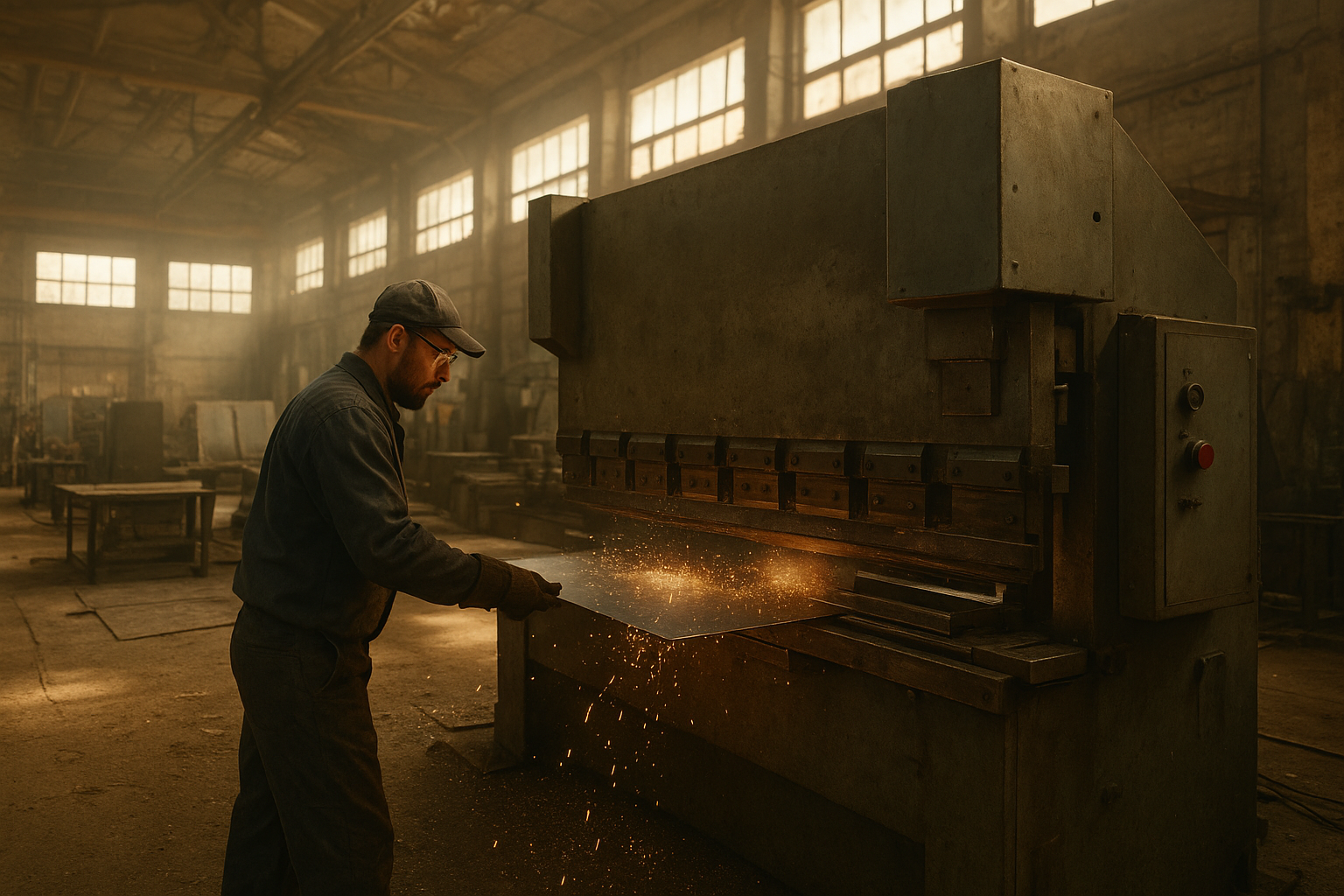
Precision fabrication equipment is central to how a sheet metal project contractor delivers consistent results.
How to Choose a Sheet Metal Project Contractor in Southern California
Selecting the right contractor does not have to be complicated if you follow a consistent evaluation process. In particular, the following steps help property owners, architects, and general contractors compare candidates fairly before signing a contract.
- Verify licensing, insurance, and experience. Confirm the contractor holds an active state license along with current liability insurance and workers’ compensation coverage before discussing project details.
- Review the project gallery and portfolio. Ask to see completed work similar in scale to yours, paying close attention to finish quality, material choice, and installation precision.
- Confirm fabrication capabilities and equipment. Ask which metals, gauges, and forming techniques the shop supports, since equipment limits can affect timeline and design flexibility.
- Request a detailed written bid. Obtain an itemized proposal separating material costs, labor, and installation timeline so you can compare bids accurately.
- Check references from recent clients. Contact at least two recent clients about communication, schedule adherence, and how issues were handled mid-project.
Above all, a contractor who welcomes these questions is signaling confidence in their process. In contrast, a contractor who avoids providing references or documentation is often a warning sign worth taking seriously.
Common Mistakes to Avoid With a Metal Contractor
Many project delays trace back to a handful of avoidable hiring mistakes. Recognizing these patterns early can save significant time and money.
- Choosing based on price alone. The lowest bid sometimes reflects thinner materials or rushed installation practices.
- Skipping license verification. Unlicensed work can void warranties and create liability exposure for the property owner.
- Ignoring safety compliance. Contractors should follow OSHA workplace safety standards on every job site.
- Failing to confirm SMACNA standards. Industry benchmarks from SMACNA guide proper duct and sheet metal installation practices nationwide.
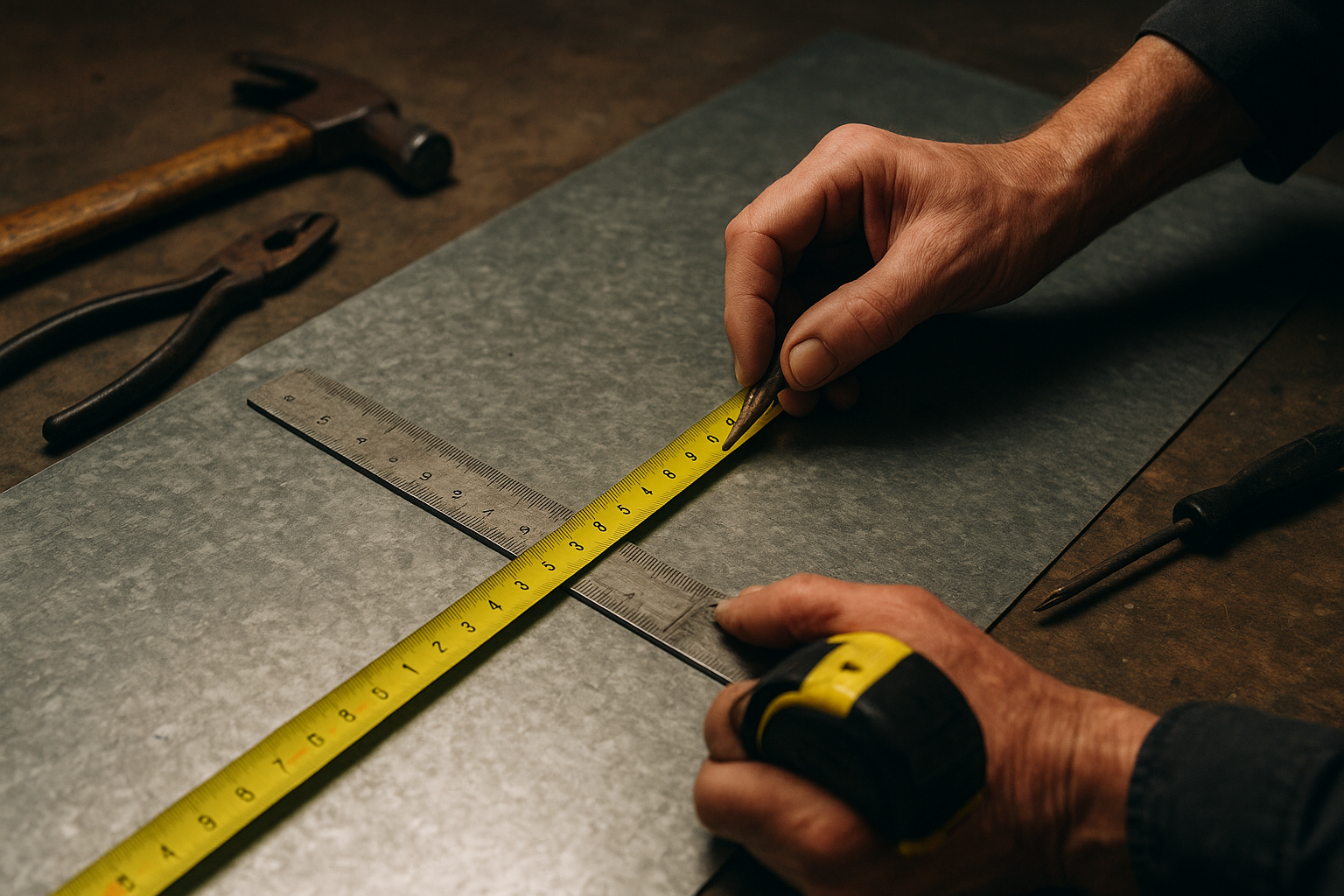
Careful measurement and layout work prevent costly fabrication errors later in the project.
Why Tinco Sheet Metal Is a Trusted Sheet Metal Contractor Choice
With three decades of experience serving Southern California, Tinco Sheet Metal has built a reputation among general contractors, architects, and property owners who need dependable fabrication and installation. The company combines modern machinery with long-standing industry knowledge to handle commercial, industrial, and architectural projects of varying scale.
Specifically, Tinco’s team works across a wide range of metals and fabrication techniques, tailoring each solution to a client’s design vision and technical requirements. You can explore the full scope of offerings on the services page or learn more about the company’s background at tincosheetmetal.com. For architects and contractors evaluating fabrication partners, the company overview outlines the team’s approach to precision craftsmanship and project reliability.
Ultimately, whether the project calls for custom ductwork or a full architectural installation, working with an established sheet metal project contractor reduces risk and improves the odds of an on-time, on-budget outcome.
Frequently Asked Questions About Sheet Metal Project Contractors
What is a sheet metal project contractor?
A sheet metal project contractor is a licensed specialist who fabricates, engineers, and installs custom metal components for commercial, industrial, and architectural buildings. They handle everything from shop drawings to on-site installation for HVAC systems, roofing, flashing, and decorative panels.
How do I hire a sheet metal project contractor for a commercial build?
Start by verifying licensing and insurance, then review a contractor’s portfolio and equipment capabilities before requesting a detailed bid. Ask for references from similar commercial or industrial projects to confirm they can meet your timeline.
Why should I hire a specialized metal contractor instead of a general contractor?
A specialized metal contractor brings dedicated fabrication equipment and trade-specific certifications that a general contractor typically subcontracts out anyway. Hiring directly often shortens communication lines and improves quality control.
How much does it cost to hire a sheet metal contractor in Southern California?
Costs vary widely based on material type, project scale, and complexity, ranging from a few thousand dollars for small fabrication jobs to six figures for large commercial installations. Most reputable contractors provide a free, itemized bid after reviewing project plans.
How long does a typical sheet metal fabrication project take?
Small custom fabrication jobs can be completed in days, while large commercial installations may take several weeks to months. Timeline depends on material lead times, design complexity, and coordination with other trades on site.
What metals do sheet metal contractors typically work with?
Most contractors work with galvanized steel, stainless steel, aluminum, copper, and zinc, choosing material based on durability, budget, and aesthetic requirements. Each metal offers different corrosion resistance and finish options.
What is the difference between sheet metal fabrication and installation?
Fabrication is the shop process of cutting, bending, and forming raw metal into finished components, while installation is the on-site work of mounting those components. A full-service sheet metal project contractor manages both stages under one contract.
What common mistakes do property owners make when choosing a metal contractor?
The most common mistakes include hiring based on price alone, skipping license verification, and failing to review past project photos. These shortcuts often lead to delays and unexpected costs later in the project.
What credentials should a sheet metal project contractor have?
Look for a valid state contractor license, active liability insurance, workers’ compensation coverage, and alignment with industry standards such as SMACNA. These credentials confirm the contractor meets legal and safety requirements.
Can a sheet metal contractor handle both design and installation?
Yes, established sheet metal contractors typically manage the entire process, from shop drawings and engineering review through fabrication and final installation. This single-source approach reduces coordination issues between designers and installers.
What industries commonly need sheet metal contractors?
Commercial construction, industrial manufacturing, healthcare facilities, food service, and architectural design projects all rely on sheet metal contractors regularly. Ductwork, flashing, custom enclosures, and decorative facades are common project types.
How do I request a bid from a sheet metal project contractor?
Most contractors accept bid requests through their website or by phone, and ask for project plans, drawings, or site details to prepare an accurate estimate. Providing clear specifications upfront speeds up the process.
What safety standards do professional sheet metal contractors follow?
Professional contractors follow OSHA workplace safety regulations along with SMACNA fabrication and installation standards specific to the trade. These standards cover equipment handling, fall protection, and proper ventilation system installation.
Ready to start a project? Explore Tinco Sheet Metal’s full service list or visit the homepage to request a bid from a Southern California sheet metal project contractor with three decades of hands-on experience.
Final Thoughts
Choosing the right sheet metal project contractor ultimately comes down to verified credentials, proven fabrication capability, and a documented history of completed work. As this guide has shown, checking licensing, reviewing portfolios, and requesting detailed bids protects both budget and timeline on any commercial or industrial build. In Southern California’s demanding construction market, partnering with an experienced, well-equipped contractor remains the most reliable way to achieve precise, code-compliant results from start to finish.