Commercial sheet metal installation is the process of fabricating, delivering, and fitting metal components—such as roofing panels, ductwork, wall cladding, and structural flashing—into commercial and industrial buildings. Whether you’re coordinating a new build or upgrading an existing facility, understanding how this process works helps you plan timelines, budgets, and quality expectations. In particular, this guide walks through what commercial sheet metal installation involves, how the process unfolds from fabrication to final fit-out, and what to look for in a qualified contractor across Southern California.
Quick answer: Commercial sheet metal installation combines shop fabrication with on-site fitting of metal parts—ductwork, roofing, cladding, and flashing—into commercial buildings. A qualified contractor measures, designs, fabricates offsite, then installs and inspects the finished components on location.
What Is Commercial Sheet Metal Installation?
Commercial sheet metal installation refers to the fabrication and fitting of custom metal components for commercial, industrial, and institutional buildings. This typically includes HVAC ductwork, roofing systems, gutters, wall panels, and architectural flashing. Unlike small residential jobs, commercial work usually involves larger volumes of material, tighter code compliance, and coordination with several other trades on a job site.
As a result, the process generally starts in a fabrication shop rather than directly on the building. Metal sheets are cut, bent, and formed using specialized machinery before being transported and installed. For context, the sheet metal used in this work ranges from thin gauge steel for ductwork to heavier gauges for structural roofing panels.
Demand for this trade has stayed relatively steady. The U.S. Bureau of Labor Statistics tracks sheet metal workers as a distinct occupation, reflecting consistent need across construction sectors nationwide, according to federal labor data.
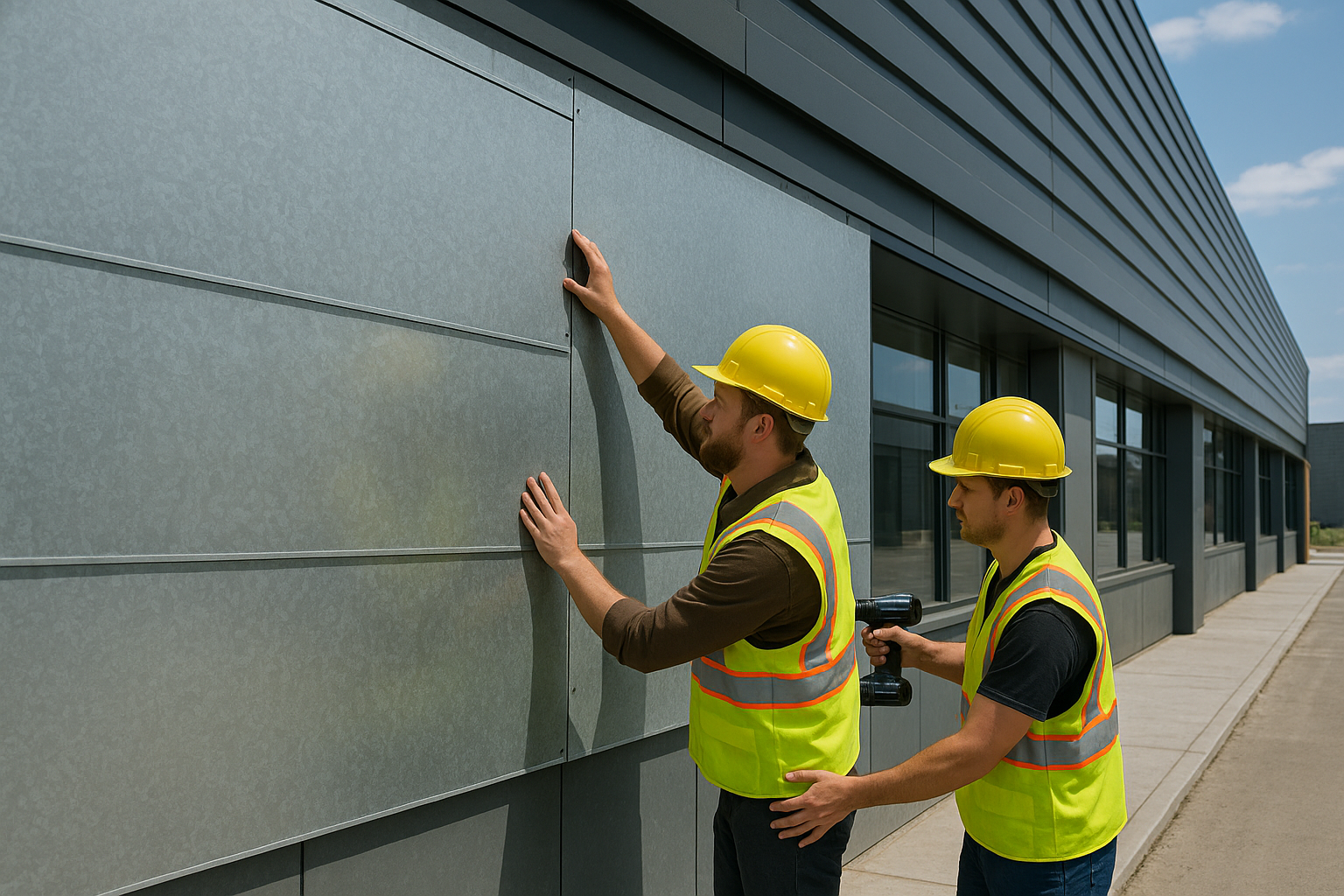
Commercial sheet metal installation often involves fitting large custom panels directly onto a building’s exterior frame.
Why Commercial Metal Fabrication and Installation Matters in Southern California
Southern California presents a unique mix of coastal humidity, seismic activity, and strict energy codes. Consequently, buildings in this region need metal systems that resist corrosion, flex without cracking, and meet Title 24 energy standards. A poorly installed roofing panel or duct system can lead to water intrusion, energy loss, or costly code violations down the line.
Furthermore, general contractors and architects often rely on a specialized sheet metal contractor rather than handling this scope in-house. Precision fabrication reduces on-site waste, speeds up installation, and ensures every component fits the building’s exact specifications. This is especially true on commercial and industrial projects, where tolerances are tighter and inspection standards are higher.
For property owners, this attention to detail translates into fewer callbacks and a longer service life for the building envelope. In short, quality commercial sheet metal installation is not just a finishing touch—it’s a functional part of how a building performs over decades.
Common Materials Used in Sheet Metal Contractor Work
Material choice affects cost, durability, and appearance. Below is a quick comparison of metals commonly specified for commercial projects.
| Material | Best Use | Key Benefit |
|---|---|---|
| Galvanized Steel | Ductwork, structural panels | Cost-effective, strong |
| Aluminum | Cladding, roofing | Lightweight, corrosion-resistant |
| Stainless Steel | Coastal or food-grade facilities | Superior corrosion resistance |
| Copper | Architectural accents, flashing | Long lifespan, distinctive finish |
Because each material behaves differently under heat and moisture, an experienced fabricator will match the metal to the building’s climate exposure and design intent rather than defaulting to the cheapest option.
The Commercial Sheet Metal Installation Process: 6 Steps
Although every project differs slightly, most commercial sheet metal installation jobs follow a similar sequence from planning through final inspection.
- Site assessment and measurement. A project manager visits the site to take precise measurements, review architectural drawings, and identify structural or access constraints before fabrication begins.
- Design and shop drawings. Drafters translate field measurements into detailed shop drawings that specify material gauge, seam types, and fastening methods for client and engineer approval.
- Material selection and ordering. The contractor selects the appropriate metal type and orders it in the gauges and finishes required by the approved drawings.
- Shop fabrication. Skilled fabricators cut, form, and weld or seam the metal components in a controlled shop environment using CNC machinery for consistent accuracy.
- Delivery and on-site installation. Finished components are transported to the job site and installed by trained crews following safety protocols and manufacturer installation guidelines.
- Final inspection and sign-off. A quality inspector reviews seams, fasteners, and flashing details, then coordinates with the building inspector to close out permits and finalize the project.
Following this sequence closely helps avoid rework, keeps a project on schedule, and satisfies both manufacturer warranties and local building code requirements enforced under agencies like OSHA for jobsite safety.
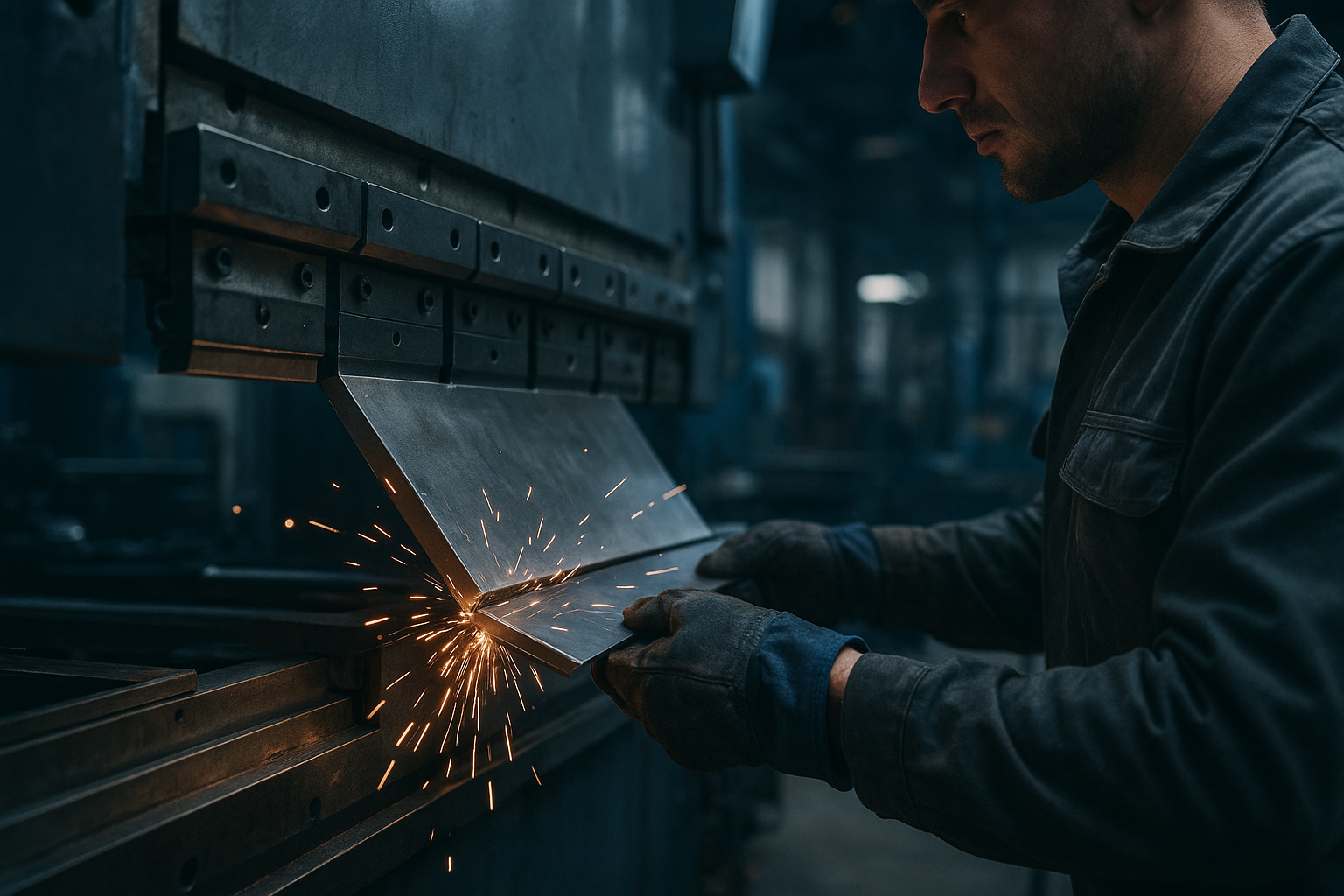
Shop fabrication precedes every commercial sheet metal installation, ensuring parts arrive on site ready to fit.
Typical Costs and Timelines for Metal Installation Contractor Projects
Costs for commercial sheet metal installation vary based on square footage, material choice, and design complexity. Small tenant improvement projects might run a few thousand dollars, while a full building envelope on a large industrial facility can reach six figures. Because of this range, getting a site-specific quote is far more reliable than relying on generic per-square-foot estimates found online.
Timelines follow a similar pattern. Most straightforward commercial jobs take between two and eight weeks from initial measurement to final sign-off. However, projects involving custom architectural panels or long material lead times can extend well beyond that window, particularly when specialty metals are back-ordered.
In addition, weather plays a role in Southern California scheduling. Coastal moisture can slow sealant curing, while inland heat waves may limit crew hours during peak summer months. Planning around these factors in advance helps keep projects on track.
Choosing a Qualified Sheet Metal Installation Contractor
Not every contractor who touches metal is equipped to handle commercial-scale work. Therefore, it helps to verify a few specific qualifications before signing a contract.
- A valid state contractor’s license and proof of liability insurance.
- In-house fabrication capabilities rather than full reliance on third-party shops.
- Documented experience with similar building types, such as industrial, retail, or institutional projects.
- References or case studies from past commercial clients.
- OSHA safety training and, where applicable, SMACNA or union affiliation.
Tinco Sheet Metal, for example, has built its reputation across Southern California by combining in-house fabrication with decades of commercial installation experience. Contractors and property owners can review the company’s full range of sheet metal services or explore detailed fabrication capabilities before scoping a project.
One useful way to gauge a contractor’s real-world experience is to look at completed work. The MEDSCO project is one example of how custom metal components come together on a large commercial site, from fabrication through final installation.
Common Mistakes to Avoid in Commercial Sheet Metal Projects
Even experienced project teams run into avoidable problems. Above all, underestimating material lead times causes the most schedule slippage, especially for specialty finishes ordered late in the process.
Similarly, skipping thermal movement allowances during fabrication can lead to buckled panels or failed seams once temperatures shift seasonally. In contrast, contractors who build in expansion joints from the start avoid this issue entirely.
Finally, hiring based on price alone, without checking licensing or past commercial work, is a common but costly mistake. Verifying credentials upfront, as outlined earlier in this guide, is a small step that prevents much larger headaches later. You can review Tinco Sheet Metal’s project history as one reference point when comparing contractors.
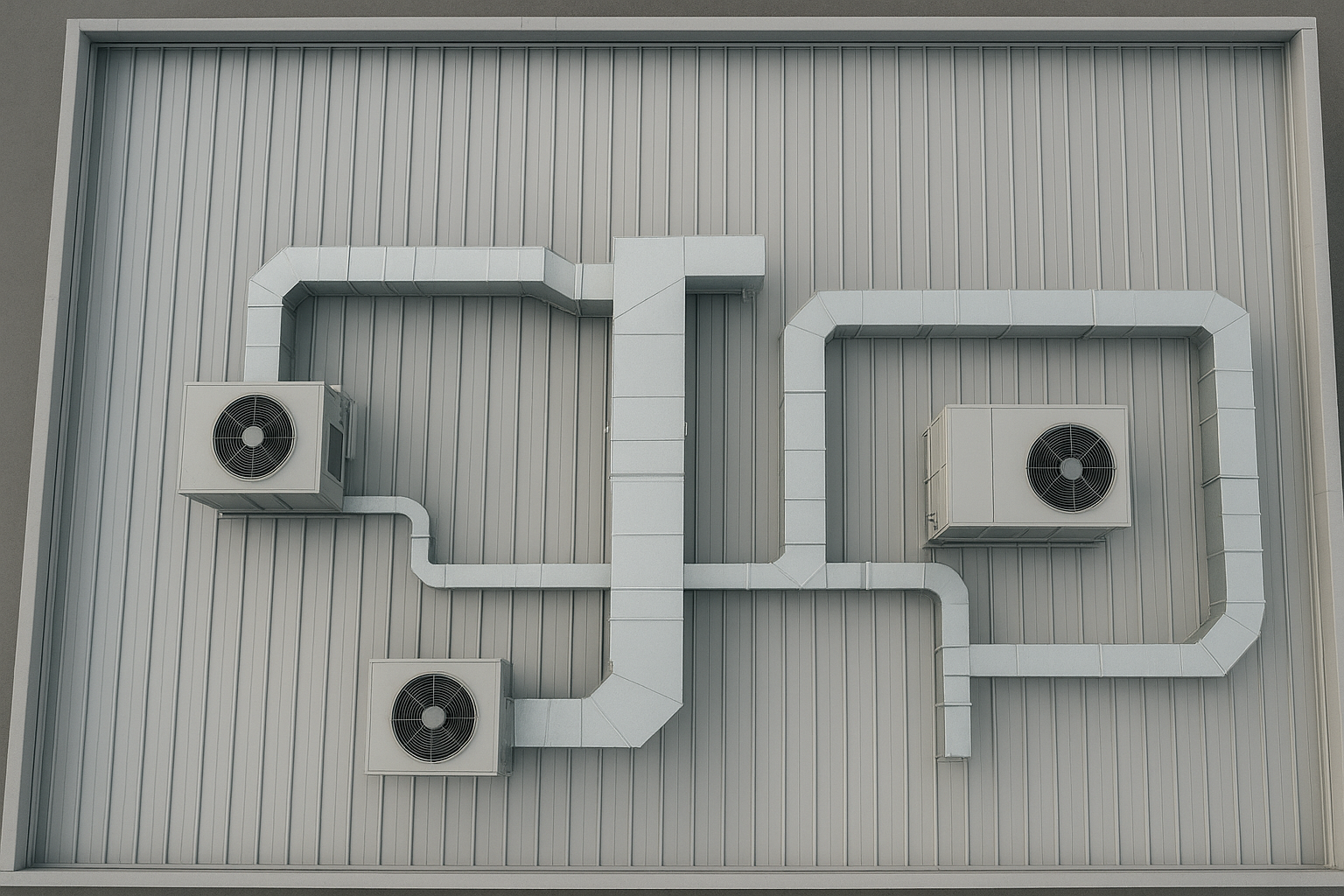
A finished rooftop shows the end result of a well-planned commercial sheet metal installation.
Frequently Asked Questions About Commercial Sheet Metal Installation
What is commercial sheet metal installation?
Commercial sheet metal installation is the process of fabricating and fitting custom metal components—like ductwork, roofing panels, and cladding—into commercial buildings. It combines shop fabrication with on-site fitting to meet a building’s structural and code requirements.
How long does commercial sheet metal installation typically take?
Most commercial projects take between two and eight weeks, depending on scope, material lead times, and building access. Larger industrial jobs with custom fabrication can extend beyond that range.
How much does commercial sheet metal installation cost?
Costs vary widely based on square footage, material type, and design complexity, often ranging from a few thousand dollars for small tenant improvements to six figures for full building envelopes. Getting a site-specific quote is the most reliable way to budget accurately.
What metals are best for commercial sheet metal installation?
Galvanized steel, aluminum, stainless steel, and copper are the most common choices, each offering different balances of cost, corrosion resistance, and appearance. The right choice depends on the building’s environment and design goals.
What’s the difference between residential and commercial sheet metal work?
Commercial projects generally involve larger volumes, stricter code compliance, and coordination with multiple trades compared to residential jobs. In addition, commercial installations often require engineering review and permitting that residential work may not.
Do I need permits for commercial sheet metal installation?
Most commercial sheet metal work, especially roofing, ventilation, and structural cladding, requires local building permits. An experienced contractor typically handles permit submittals as part of the project scope.
What are common mistakes in commercial sheet metal projects?
Frequent mistakes include underestimating material lead times, skipping thermal movement allowances, and hiring contractors without proper licensing. These errors often lead to costly rework and schedule delays.
How do I choose a qualified sheet metal contractor?
Look for licensed contractors with documented commercial project experience, in-house fabrication capabilities, and references from similar building types. Checking past project photos and insurance coverage is also recommended.
Can sheet metal installation be done during building occupancy?
Yes, experienced contractors often phase work and use noise or dust containment to install sheet metal components in occupied buildings. Careful scheduling minimizes disruption to tenants or operations.
What maintenance does commercial sheet metal require after installation?
Routine inspections for sealant wear, fastener corrosion, and drainage blockages help extend the lifespan of installed metal systems. Most manufacturers recommend annual or semi-annual checks.
How does weather affect commercial sheet metal installation?
Wind, rain, and extreme heat can slow installation schedules and affect sealant curing times. Contractors in coastal or desert climates typically plan around these conditions to protect material integrity.
What certifications should a commercial sheet metal contractor have?
A valid state contractor’s license, OSHA safety training, and manufacturer-specific installation certifications are strong indicators of qualification. Union affiliation or SMACNA membership can also signal industry credibility.
Final Thoughts on Commercial Sheet Metal Installation
Commercial sheet metal installation is a detailed process that starts long before any crew arrives on site. From initial measurements and shop drawings through fabrication and final inspection, every step affects how well the finished metal system performs over the life of a building.
Consequently, choosing a contractor with proper licensing, in-house fabrication capability, and documented commercial experience makes a measurable difference in outcomes. Southern California’s climate and code requirements only raise the stakes further, making experienced local expertise especially valuable.
Whether you’re planning a new commercial build or upgrading an existing facility, understanding this process helps you set realistic budgets and timelines. For a project-specific quote or to discuss your building’s needs, contact the team at Tinco Sheet Metal to get started.