Metal cladding fabrication services transform raw sheet metal into precision-engineered panels that protect and beautify commercial, industrial, and architectural buildings across Southern California. Whether a general contractor needs weather-resistant exterior panels or an architect wants a custom finish for a signature façade, these services combine advanced machinery with hands-on craftsmanship to deliver components that fit exact specifications. In addition, working with an experienced fabricator helps ensure every panel meets structural, aesthetic, and code requirements from the very first installation. This guide explains what metal cladding fabrication services involve, how the process works, and what to look for when choosing a contractor.
Quick answer: Metal cladding fabrication services design, cut, form, and finish custom sheet metal panels that cover a building’s exterior or structural frame. A qualified fabricator handles everything from initial measurements to finished, code-compliant panels ready for installation.
What Are Metal Cladding Fabrication Services?
Metal cladding fabrication services are the design, cutting, forming, and finishing processes used to create custom metal panels for a building’s exterior or interior structural frame. Specifically, fabricators use press brakes, laser cutters, and roll formers to shape flat sheet metal into weatherproof, dimensionally accurate panels. These panels can be made from aluminum, steel, copper, or zinc, depending on the project’s performance and design needs.
Beyond simple shaping, a full-service fabricator also manages finishing steps such as anodizing, painting, or perforating. As a result, the finished cladding arrives at the job site ready for immediate installation, reducing on-site labor and cutting time. Furthermore, many fabricators offer engineering support to confirm that panel thickness and attachment methods meet local building codes before production begins.
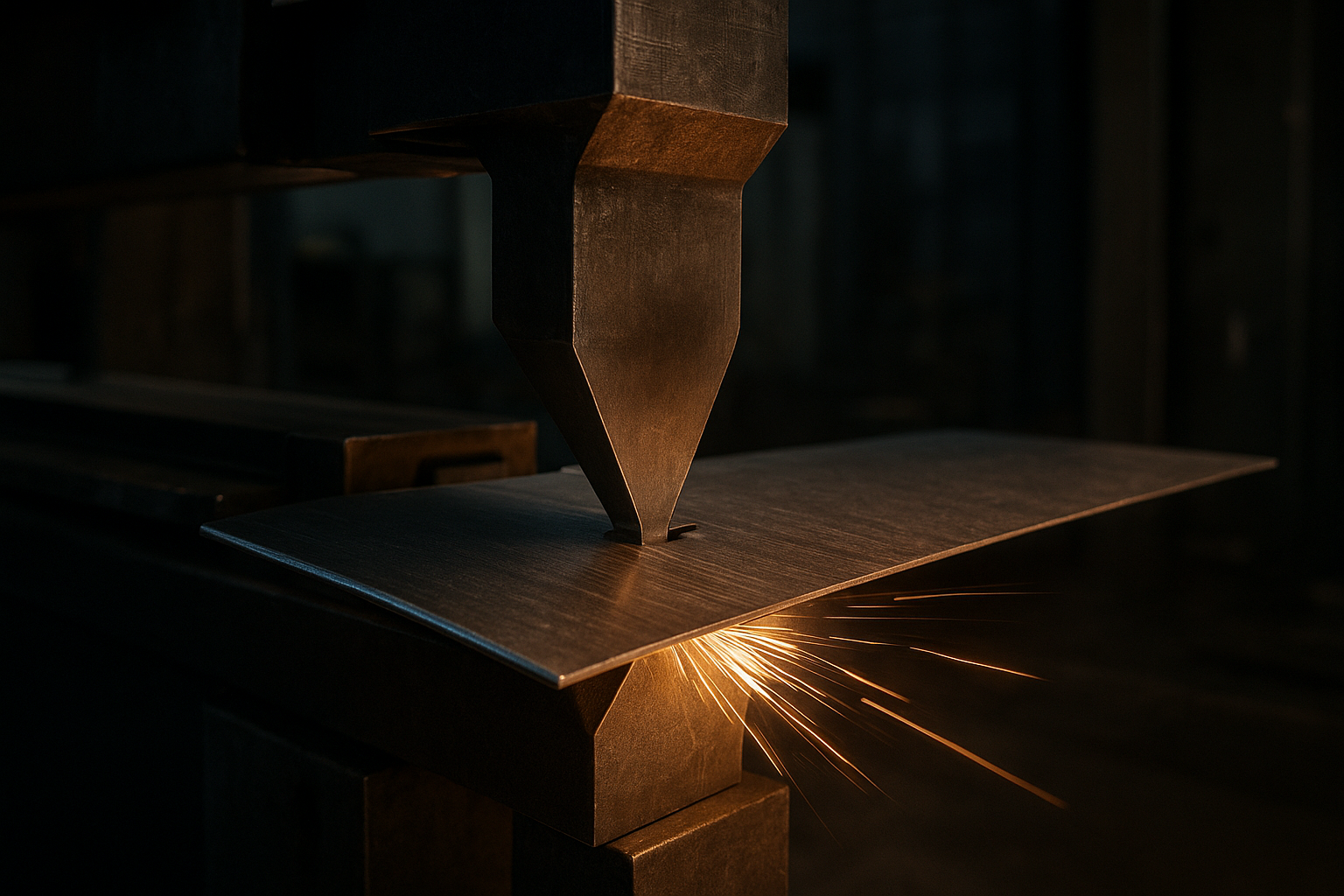
Precision forming is a core step in professional metal cladding fabrication services.
Why Southern California Builders Choose Professional Metal Cladding Fabrication Services
Southern California presents a unique mix of coastal humidity, intense sun exposure, and strict seismic building codes. Consequently, contractors and architects rely on professional metal cladding fabrication services to produce panels that withstand these conditions without sacrificing appearance. For example, a well-fabricated aluminum panel resists salt-air corrosion far better than an untreated, generic alternative.
In particular, commercial developers throughout Los Angeles, Orange County, and San Diego often specify custom cladding to achieve a distinctive architectural identity. Similarly, property owners renovating older buildings turn to sheet metal contractors to modernize facades while improving energy performance. According to industry estimates, the global metal cladding market has grown steadily in recent years as building owners prioritize durable, low-maintenance exterior systems (Wikipedia: Cladding). Above all, this growth reflects a broader shift toward materials that reduce long-term maintenance costs.
Materials Used in Custom Metal Panel Fabrication
Choosing the right material is one of the most important decisions in custom metal panel fabrication. Each metal offers distinct advantages depending on climate, budget, and design goals.
- Aluminum: Lightweight, corrosion-resistant, and easy to form into complex shapes.
- Stainless steel: Extremely durable with a modern, reflective finish suited to high-traffic commercial areas.
- Zinc: Naturally develops a protective patina, offering long-term weather resistance.
- Copper: Prized for its aesthetic warmth and ability to age gracefully over decades.
- Galvanized steel: A cost-effective option with added corrosion protection for industrial applications.
Therefore, selecting a material is rarely just an aesthetic choice. Instead, it involves balancing budget, structural load, and long-term durability requirements specific to the building’s location and use (Wikipedia: Sheet metal).
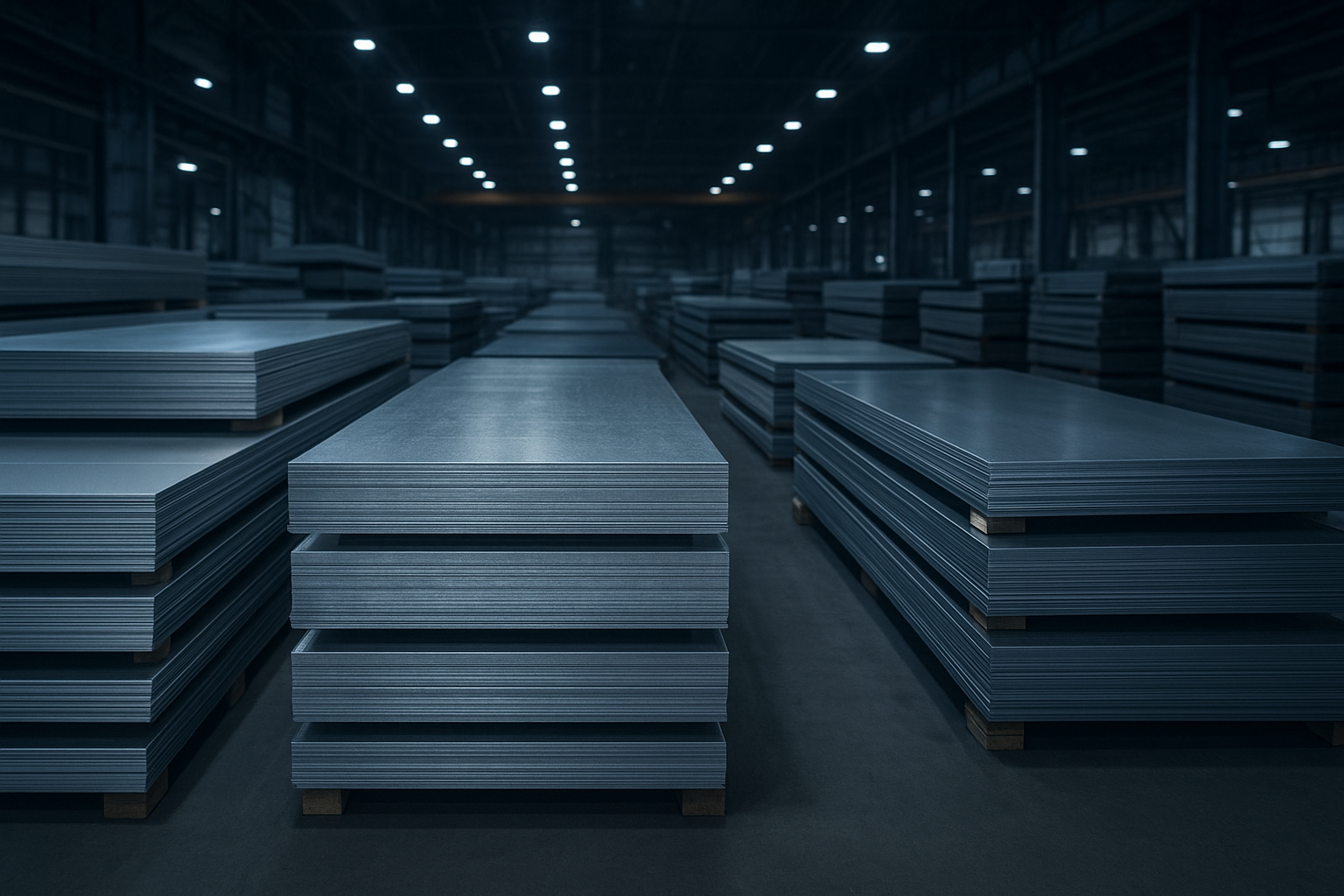
Raw material selection directly affects the performance of finished cladding panels.
The Metal Cladding Fabrication Process: Step-by-Step
Understanding the fabrication process helps contractors and property owners set realistic expectations for timelines and quality. Below is the general sequence most shops follow.
- Design review and measurement: fabricators confirm dimensions, tolerances, and specifications against architectural drawings.
- Material selection and cutting: laser or plasma cutters create accurate flat panel blanks from the chosen sheet metal.
- Forming and bending: press brakes and roll formers shape each blank into the specified profile and reveal.
- Finishing and coating: panels are anodized, painted, or coated for color, texture, and corrosion resistance.
- Quality inspection: every panel is checked for accuracy and finish consistency before approval.
- Delivery and installation support: finished panels are packaged carefully and delivered with guidance for the installation crew.
Consequently, a shop that controls every one of these steps in-house typically delivers tighter tolerances and fewer delays than one that outsources parts of the process. You can review a real-world example of this workflow through fabrication capabilities offered by an established Southern California shop.
Benefits of Architectural Sheet Metal Cladding for Commercial Projects
Architectural sheet metal cladding offers more than curb appeal. In fact, it plays a functional role in a building’s energy performance, durability, and long-term maintenance costs. For instance, rainscreen cladding systems create an air gap that reduces heat transfer and moisture intrusion, which helps lower utility bills over time.
Moreover, metal panels resist fire, pests, and rot far better than many traditional siding materials. As a result, insurance costs and long-term repair expenses can drop significantly for building owners. Similarly, because metal cladding is highly recyclable, it supports sustainability goals increasingly required on commercial projects. According to the U.S. Occupational Safety and Health Administration, proper handling and installation practices also reduce workplace injuries during sheet metal projects, which benefits both crews and project timelines (OSHA).
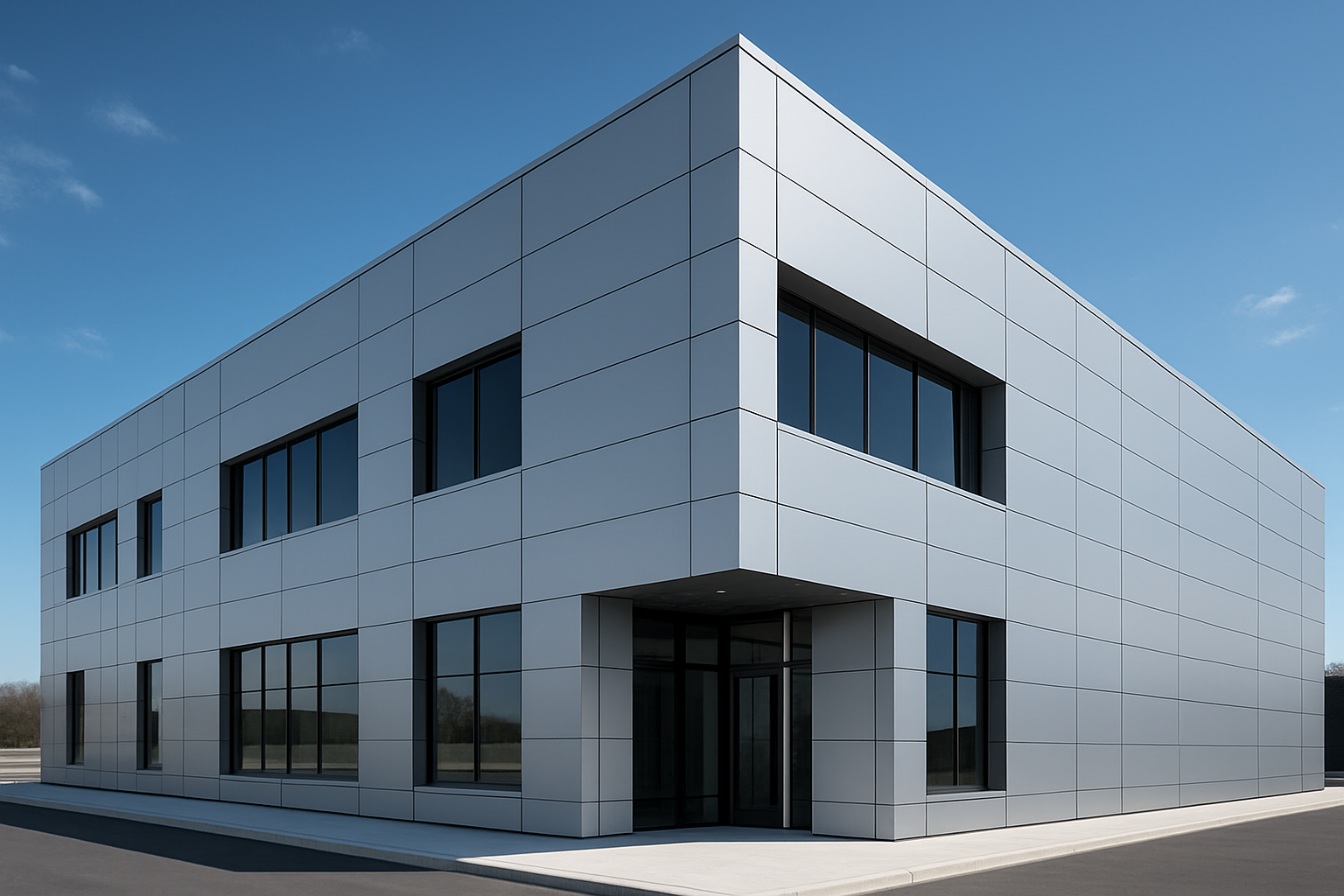
Finished metal cladding fabrication services deliver durable, energy-efficient building exteriors.
How to Choose a Metal Cladding Fabrication Contractor in Southern California
Selecting the right partner matters as much as the material itself. Above all, look for a contractor with in-house fabrication equipment, since this typically means faster turnaround and tighter quality control compared to shops that outsource production.
In addition, review past project portfolios and ask for references from general contractors or architects with similar building types. For example, a shop experienced with commercial, industrial, and architectural projects — such as the work showcased in the Medsco project case study — demonstrates the range of custom fabrication a team can handle. Tinco Sheet Metal, a Southern California-based fabricator, serves general contractors, property owners, and architects with a full range of sheet metal solutions, from custom panel design to complete installation support. You can explore their full service offerings or request a project quote directly.
Finally, confirm that the contractor understands local code requirements, including seismic and wind load standards specific to California. A team that offers engineering support alongside fabrication, as outlined on tincosheetmetal.com, can help avoid costly redesigns later in the project.
Frequently Asked Questions About Metal Cladding Fabrication Services
What are metal cladding fabrication services?
Metal cladding fabrication services cover the design, cutting, forming, and finishing of custom metal panels used to cover a building’s exterior or interior structure. Fabricators use tools like laser cutters, press brakes, and roll formers to shape sheet metal into panels that match exact architectural drawings.
How long does metal cladding fabrication take for a typical commercial project?
Most commercial metal cladding fabrication projects take between three and eight weeks, depending on panel complexity, material availability, and order volume. Larger or custom-finished projects may require additional lead time for coating and quality inspection.
Why is aluminum a popular choice for metal cladding panels?
Aluminum is lightweight, corrosion-resistant, and easy to form into complex shapes, making it a favorite for exterior cladding. It also accepts a wide range of finishes, from anodized coatings to custom paint colors.
What is the difference between metal cladding and metal siding?
Metal cladding typically refers to engineered panel systems attached over a structural frame for architectural or protective purposes, while metal siding often describes simpler, repetitive panel profiles used on lower-cost buildings. Cladding systems generally involve more custom fabrication and finish options.
How much do metal cladding fabrication services cost?
Costs vary widely based on material, panel size, finish, and project complexity, but commercial metal cladding often ranges from a few dollars to over twenty dollars per square foot installed. Getting a detailed quote from a local fabricator is the most accurate way to budget a specific project.
What metals hold up best in coastal Southern California climates?
Aluminum, zinc, and stainless steel generally perform well in coastal environments because they resist salt-air corrosion better than untreated carbon steel. Proper coatings and finishes further extend the lifespan of any metal cladding panel near the coast.
What common mistakes should contractors avoid when specifying metal cladding?
Common mistakes include underestimating thermal expansion, choosing incompatible fasteners, and skipping moisture barrier details behind the panels. Working closely with an experienced fabricator during the design phase helps catch these issues before installation.
Can metal cladding panels be custom colored or textured?
Yes, most fabricators offer custom paint colors, anodized finishes, perforations, and textured surfaces to match a specific design vision. Sample panels are often available before full production begins.
How do fabricators ensure panels meet seismic and wind load codes?
Fabricators engineer panel thickness, attachment systems, and expansion joints to meet local building codes, including California’s seismic requirements. Engineering review and testing data confirm each system can withstand expected structural loads.
What is the difference between shop-fabricated and field-fabricated cladding?
Shop-fabricated cladding is precision-cut and formed in a controlled facility before shipping to the job site, while field-fabricated panels are shaped on-site with more limited tooling. Shop fabrication generally delivers tighter tolerances and faster installation.
How do I choose the right metal cladding fabrication contractor?
Look for a contractor with proven experience in your region, in-house fabrication equipment, and a portfolio of similar commercial or architectural projects. Checking references and reviewing past project photos helps confirm the quality of their work.
Is metal cladding a sustainable building material?
Metal cladding is highly recyclable and often contains recycled content, making it a relatively sustainable exterior building material. It also improves energy efficiency by supporting rainscreen designs that reduce heating and cooling loads.
Final Thoughts on Metal Cladding Fabrication Services
In summary, metal cladding fabrication services give contractors, architects, and property owners a reliable way to protect buildings while achieving a specific design vision. From material selection through forming, finishing, and delivery, each step affects how well the finished panels perform in Southern California’s demanding climate and seismic conditions. Therefore, choosing a fabricator with in-house capabilities, proven experience, and strong engineering support makes a measurable difference in project outcomes. Above all, partnering early with an established metal cladding fabrication services provider helps avoid costly delays and ensures every panel meets code, budget, and design goals from the first cut to final installation.