A sheet metal fabrication contractor turns raw metal coils and flat stock into the custom components, ductwork, flashing, and architectural panels that hold commercial and industrial buildings together. In Southern California’s fast-moving construction market, general contractors, architects, and property owners rely on these specialists to deliver precision parts that meet exact blueprint specifications. Below, this guide explains what a sheet metal fabrication contractor actually does, how to evaluate one, and what separates a dependable fabricator from a risky hire.
What Is a Sheet Metal Fabrication Contractor?
A sheet metal fabrication contractor is a licensed construction specialist who designs, cuts, forms, welds, and installs custom metal components made from materials like steel, aluminum, and copper. Unlike a standalone metal shop, a fabrication contractor typically manages the entire project lifecycle, from shop drawings through on-site installation.
Consequently, this role sits at the intersection of manufacturing and construction. A fabricator reads architectural or engineering drawings, converts them into shop-ready patterns, and then produces parts on equipment such as press brakes, CNC punches, and laser cutters. According to Wikipedia’s overview of sheet metal, the material’s versatility makes it foundational to industries ranging from HVAC to automotive body panels. In construction specifically, a contractor’s job does not end at production; most reputable firms also coordinate delivery and field installation, which reduces the number of vendors a general contractor must manage.
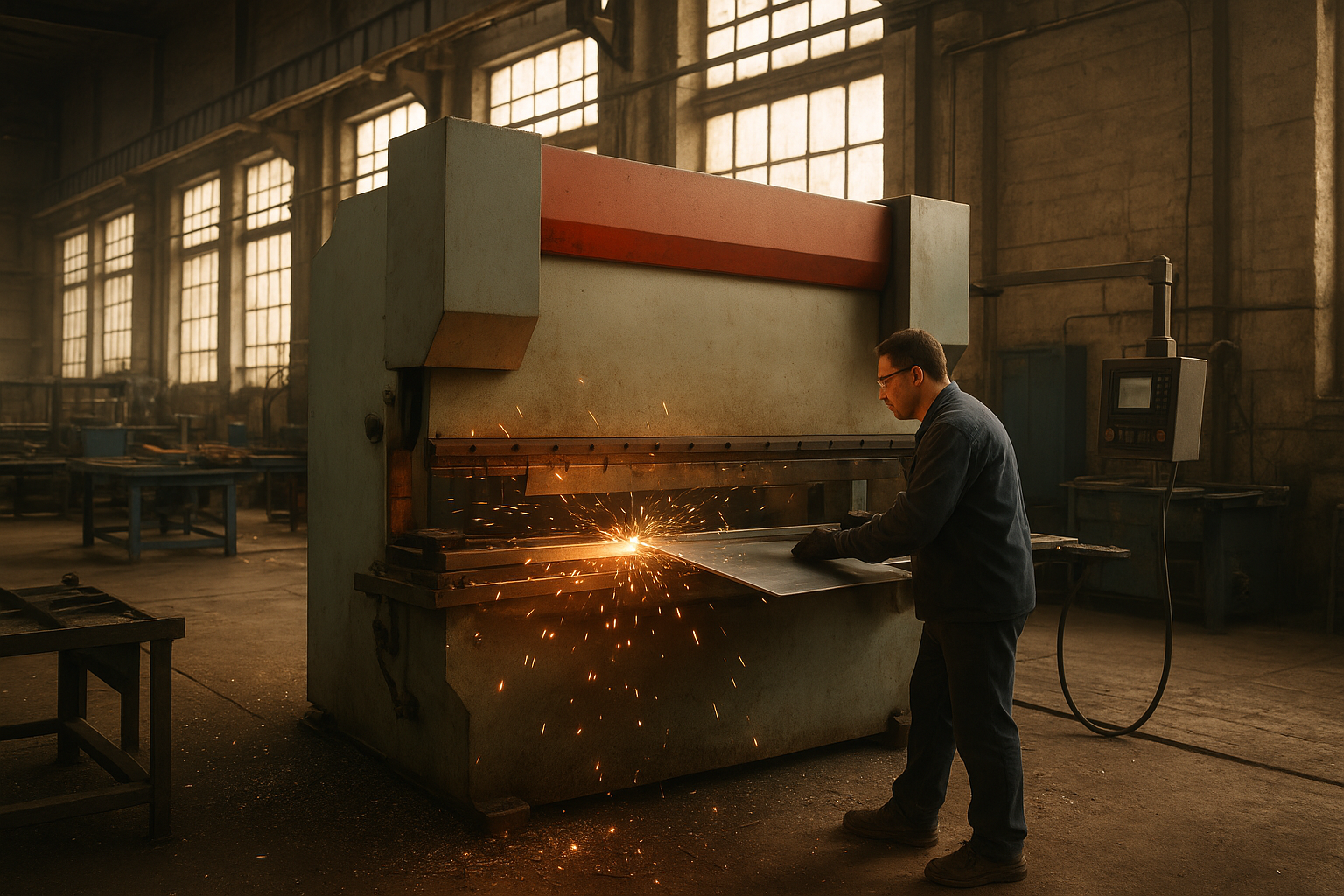
A sheet metal fabrication contractor forming custom parts on a press brake.
Why Southern California Projects Need a Specialized Metal Fabrication Partner
Southern California presents unique construction challenges that make generic fabrication risky. In particular, seismic building codes require precisely engineered connections and support systems, while coastal proximity accelerates corrosion in ordinary steel. As a result, contractors familiar with regional code requirements and material behavior can prevent costly rework down the line.
Furthermore, the region’s dense mix of hospitals, schools, retail centers, and industrial facilities means demand for custom HVAC ductwork, equipment housings, and architectural cladding stays high year-round. Many firms in the area follow standards published by the Sheet Metal and Air Conditioning Contractors’ National Association (SMACNA), which sets construction quality benchmarks for ductwork and architectural sheet metal nationwide. Choosing a contractor that follows these standards helps ensure inspections go smoothly and installed systems perform as designed.
Core Services Offered by a Sheet Metal Fabrication Contractor
A full-service sheet metal fabrication contractor, such as the team at Tinco Sheet Metal, typically covers a broad range of custom work rather than a single product line. Specifically, common services include:
- Custom HVAC ductwork design, fabrication, and installation
- Architectural flashing, coping, and roof edge metal
- Equipment enclosures, screens, and rooftop unit housings
- Structural and decorative wall panels for building exteriors
- Stainless steel fabrication for commercial kitchens and food service
- Custom brackets, supports, and specialty metal components
To see how these services come together on a real facility, the Medsco project profile demonstrates how custom fabrication and installation work in a live commercial setting. Meanwhile, a full breakdown of offerings is available on the services page.
How to Choose the Right Sheet Metal Fabricator
Selecting the right fabricator does not have to be complicated if the process is broken into clear steps. Below is a straightforward sequence to follow before signing a contract.
- Define your project scope and specifications. Start by outlining exact dimensions, material preferences, quantity, and finish requirements so the contractor can provide an accurate quote and timeline.
- Verify licensing, insurance, and certifications. Confirm the contractor holds a valid state contractor license, current liability insurance, and relevant certifications such as SMACNA membership before signing any agreement.
- Review past projects and request references. Ask to see photos or site visits of completed commercial or industrial projects similar in scale to yours, and contact at least two references directly.
- Compare fabrication capabilities and equipment. Evaluate whether the shop uses modern CNC laser cutting, press brakes, and welding equipment capable of handling your material type and project volume. The capabilities overview is a useful example of what to look for.
- Request detailed quotes and realistic timelines. Collect itemized quotes from at least two or three contractors, comparing pricing, lead times, and installation scope before making a final decision.
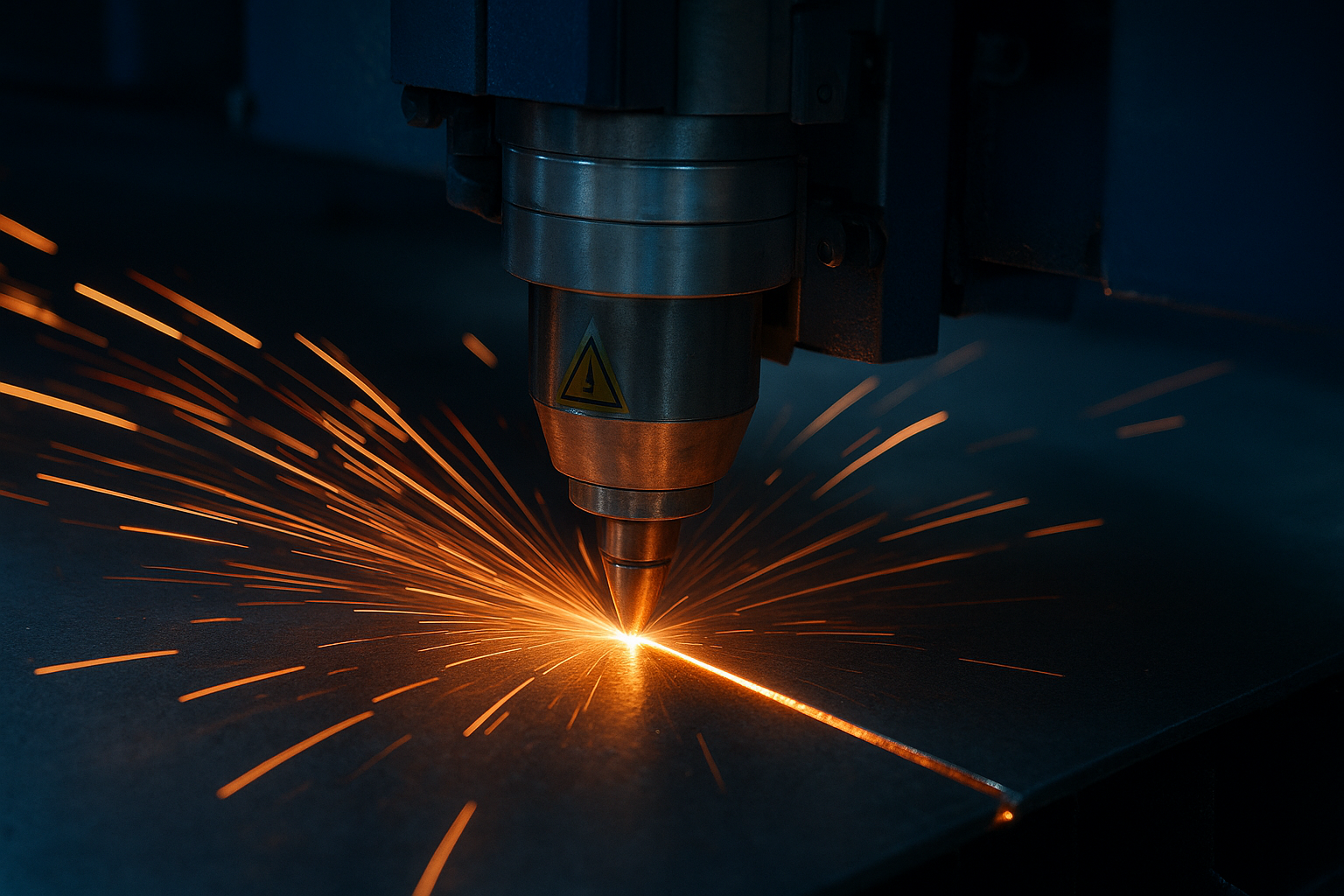
Precision laser cutting is one technique a sheet metal fabrication contractor uses to hit tight tolerances.
Materials and Techniques Used in Custom Metal Fabrication
Material choice affects durability, cost, and appearance in equal measure. Galvanized steel resists rust at a lower price point, while stainless steel and aluminum offer better corrosion resistance for coastal or food-service environments. Copper, though pricier, remains popular for decorative architectural accents because of its distinctive patina over time.
On the technique side, most modern shops combine CNC punching, laser cutting, press brake forming, and TIG or MIG welding to achieve tight tolerances. Notably, the U.S. Bureau of Labor Statistics reports that sheet metal workers held roughly 131,700 jobs nationwide in its most recent occupational data, reflecting steady demand for this specialized trade. Given that demand, working with a shop that invests in updated equipment often translates directly into faster turnaround and fewer fit-up issues on-site.
What Does Hiring a Sheet Metal Contractor Cost?
Costs for a sheet metal fabrication contractor typically range from a few hundred dollars for small custom parts to tens of thousands for large architectural or ductwork installations. The final price depends heavily on material type, thickness, quantity, and design complexity.
In addition to raw material, labor for cutting, forming, welding, and finishing adds significant cost, particularly for custom or one-off shapes. Similarly, installation complexity, such as rooftop access or tight seismic bracing requirements, can raise the total project price. Therefore, requesting an itemized quote rather than a single lump sum helps property owners understand exactly what they are paying for.
Common Mistakes When Selecting a Metal Fabrication Company
Even experienced project managers occasionally make avoidable errors when hiring a fabricator. In particular, watch for these common pitfalls:
- Choosing the lowest bid without confirming material grade or shop capability
- Skipping verification of license, bonding, and insurance
- Failing to request photos or a site visit for similar past projects
- Overlooking whether installation is included in the fabrication scope
- Not clarifying lead times before ordering materials for a tight schedule
Why Tinco Sheet Metal Is a Trusted Sheet Metal Fabrication Contractor
Tinco Sheet Metal has built its reputation across Southern California by combining in-house fabrication equipment with decades of field installation experience. Because the company handles both production and installation, general contractors and architects avoid the coordination gaps that often arise when multiple vendors are involved. Above all, this integrated approach supports consistent quality from the first shop drawing to the final installed panel.
For property owners and contractors evaluating options, reviewing the company’s fabrication capabilities and prior completed projects offers a clear picture of what to expect. Those ready to discuss a project can reach the team directly through the contact page to request a quote.
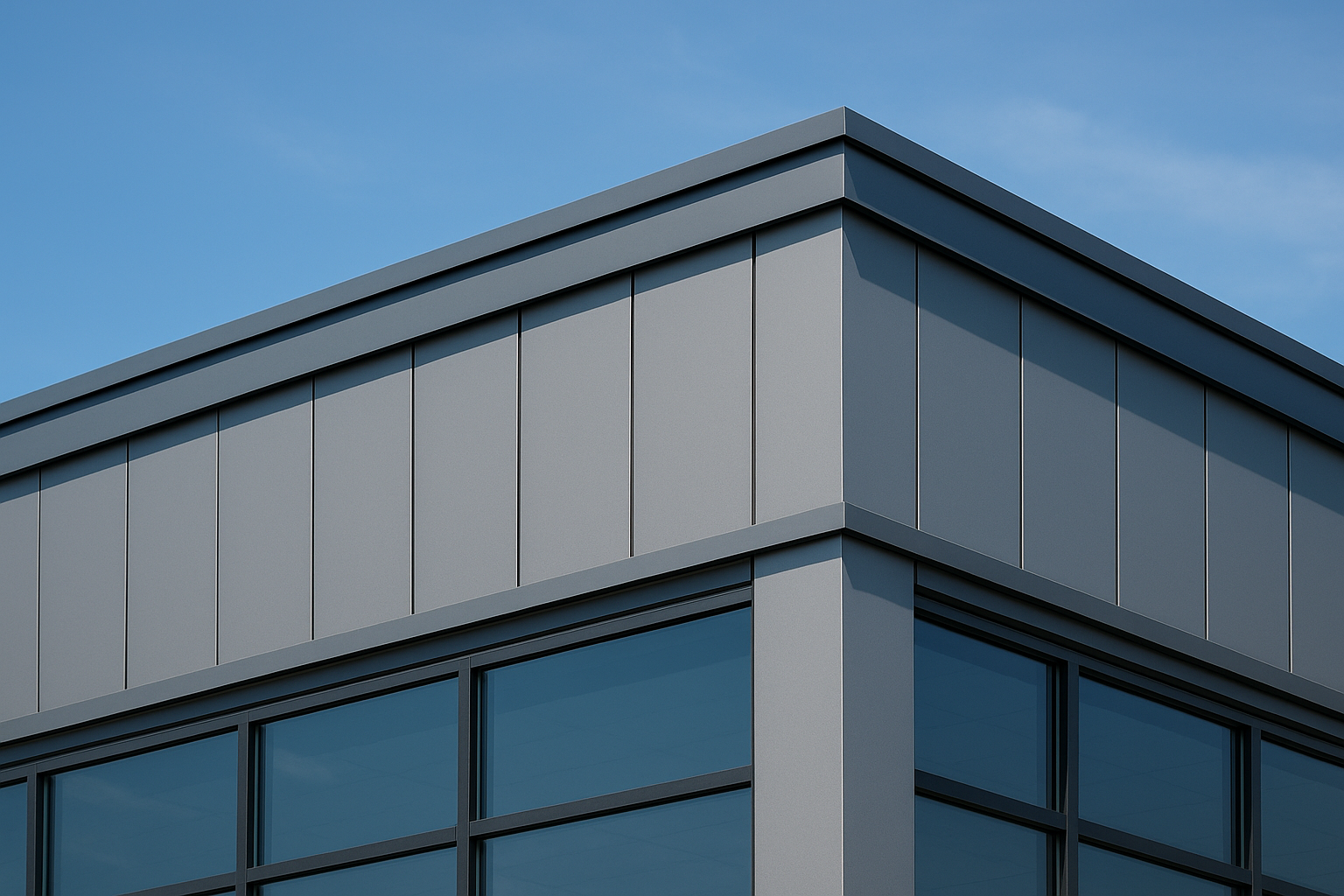
Finished architectural panels produced and installed by a sheet metal fabrication contractor.
Frequently Asked Questions
What is a sheet metal fabrication contractor?
A sheet metal fabrication contractor is a licensed specialist who designs, cuts, forms, and installs custom metal components for construction projects. They typically handle everything from shop drawings to final on-site installation.
How does sheet metal fabrication work?
Sheet metal fabrication starts with a design or blueprint, followed by cutting flat metal stock using tools like lasers or CNC punches. The cut pieces are then bent, welded, and finished before being shipped or installed on-site.
Why hire a professional sheet metal fabrication contractor instead of a general contractor?
A dedicated fabrication contractor has specialized equipment, certified welders, and code knowledge that general contractors usually lack. As a result, projects meet exact tolerances and pass inspection more reliably.
How much does sheet metal fabrication cost?
Costs vary widely based on material type, thickness, quantity, and design complexity, ranging from a few hundred dollars for small custom parts to tens of thousands for large architectural installations. A detailed quote from a contractor is the most accurate way to budget.
How long does a typical sheet metal fabrication project take?
Small custom orders can be completed in a few days, while large commercial installations may take several weeks from design approval to final installation. Lead times depend on material availability and shop capacity.
What materials do sheet metal fabrication contractors work with?
Most contractors work with galvanized steel, stainless steel, aluminum, and copper, chosen based on strength, corrosion resistance, and appearance requirements. Specialty projects may also call for titanium or coated metals.
What is the difference between sheet metal fabrication and welding?
Welding is one technique used within the broader fabrication process, which also includes cutting, forming, and finishing. A fabrication contractor typically manages welding as part of a complete production workflow rather than as a standalone service.
What common mistakes do people make when hiring a sheet metal fabricator?
Common mistakes include choosing based on price alone, skipping license and insurance verification, and failing to review past project photos. These shortcuts often lead to delays, rework, or code violations.
What certifications should a sheet metal fabrication contractor have?
Look for a valid state contractor license, liability insurance, and adherence to SMACNA industry standards. Welding certifications for staff are also a strong indicator of quality control.
Can a sheet metal fabrication contractor handle custom architectural designs?
Yes, experienced contractors regularly fabricate custom column covers, wall panels, coping, and decorative facades to match an architect’s exact specifications. Advanced CNC and laser equipment make intricate, non-standard shapes possible.
What industries use sheet metal fabrication contractors?
Commercial construction, industrial manufacturing, food service, HVAC, and architectural design all rely heavily on custom sheet metal work. Hospitals, schools, and retail centers are especially common project types.
How do I know if a sheet metal fabrication contractor is qualified?
Check for a current contractor license, request references from similar past projects, and ask to see their in-house fabrication shop or equipment list. A qualified contractor will readily provide proof of insurance and completed project photos.
What is the typical process for a sheet metal fabrication project?
The process generally moves through design review, material selection, cutting and forming, quality inspection, and finally delivery or installation. Clear communication at each stage helps prevent costly errors later.
Do sheet metal fabrication contractors offer installation services too?
Many full-service contractors handle both fabrication and on-site installation, which reduces coordination headaches for general contractors and property owners. Confirm this scope of work before signing a contract.
How do I get a quote from a sheet metal fabrication contractor?
Most contractors ask for project drawings, material preferences, and quantities to prepare an accurate estimate. Reaching out directly through a contractor’s contact page is usually the fastest way to start the conversation.
Conclusion
Choosing the right sheet metal fabrication contractor ultimately comes down to verifying licensing, reviewing real project history, and comparing fabrication capabilities before signing anything. In Southern California specifically, factors like seismic code compliance and corrosion resistance make specialized experience even more important than in other regions. By following the evaluation steps outlined above, general contractors, architects, and property owners can confidently select a sheet metal fabrication contractor capable of delivering precise, code-compliant results on time and on budget.